Architect Your Intimacy: How Bedroom Design Directly Influences Sexual Arousal and Tadalafil Effectiveness
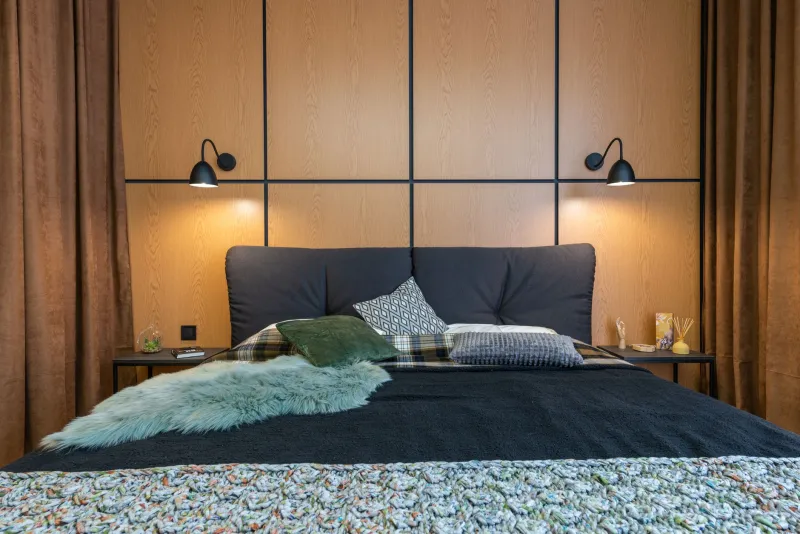
Most men who begin tadalafil treatment focus—understandably—on dosage schedules, dietary adjustments, and cardiovascular fitness. Rarely does the conversation extend to the room itself. Yet environmental psychology and neuroscience consistently demonstrate that the physical space surrounding an intimate encounter has measurable effects on hormonal output, autonomic nervous system state, and psychological readiness. In other words, your bedroom is not a neutral container. It is a variable.
For men using tadalafil to manage erectile dysfunction, that variable matters. Tadalafil works by increasing blood flow to penile tissue in response to sexual stimulation—it does not generate arousal independently. This means the conditions that facilitate genuine arousal, including the sensory environment, are directly relevant to how well the medication performs. A poorly designed bedroom can blunt psychological engagement before physiological response even begins.
What follows is a detailed examination of the specific design elements that influence sexual performance and medication efficacy, along with actionable recommendations grounded in research.
Lighting: The Neurological Trigger You Control With a Dimmer Switch
Light exposure is one of the most powerful environmental regulators of human biology. Bright, blue-spectrum light—the kind emitted by overhead fluorescents, television screens, and most smartphones—suppresses melatonin and activates alertness pathways in the brain. These are the same pathways associated with vigilance and stress, both of which are antagonistic to sexual arousal.
Warm, low-intensity light, by contrast, promotes parasympathetic nervous system activity—the "rest and digest" state that is physiologically compatible with arousal and intimacy. Research in environmental psychology has linked warmer ambient lighting to increased feelings of comfort, reduced self-consciousness, and greater willingness to engage socially and physically.
Practical steps for the bedroom:
- Install dimmer switches on all overhead fixtures.
- Replace standard bulbs with warm-spectrum LEDs (2700K–3000K color temperature).
- Use bedside lamps with low-wattage, amber-toned bulbs rather than relying on overhead lighting.
- Eliminate screen exposure for at least 30–60 minutes before intimacy to allow cortisol levels to normalize.
For men on tadalafil, this matters because cortisol—the primary stress hormone elevated by bright light and screen stimulation—directly competes with testosterone and inhibits the nitric oxide pathways that tadalafil relies upon to function.
Temperature: The Overlooked Physiological Dial
Core body temperature plays a significant role in sexual arousal. Research suggests that a slightly cool room—typically between 65°F and 68°F—is associated with improved sleep quality and may also support arousal by encouraging physical closeness and reducing the discomfort that can accompany elevated body heat during sexual activity.
Conversely, an overheated room can trigger vasodilation throughout the body in ways that compete with the localized blood flow required for erection. Excessive warmth also accelerates fatigue and can reduce the duration of comfortable physical engagement.
Recommendations:
- Set a programmable thermostat to lower the bedroom temperature 30–45 minutes before anticipated intimacy.
- Use breathable, natural-fiber bedding (cotton, linen, or bamboo) that regulates heat without trapping it.
- Consider a bedside fan for airflow without significant temperature drop if climate control is limited.
Sound: Designing Acoustic Conditions That Support, Not Distract
The auditory environment of a bedroom affects both psychological state and physiological arousal in ways that are frequently underestimated. Intrusive noise—street traffic, household sounds, notifications from devices—activates the amygdala and elevates stress responses. For men who already experience performance anxiety alongside erectile dysfunction, ambient noise is not a minor inconvenience. It is a compounding stressor.
Research on acoustic environments and relaxation consistently supports the use of low-frequency, rhythmic sound as a means of reducing cortisol and promoting parasympathetic activity. This includes soft music, nature soundscapes, or simple white noise.
Practical recommendations:
- Silence or remove all devices with notification sounds from the bedroom before intimacy.
- Invest in a quality white noise machine or a sound-masking speaker if external noise is unavoidable.
- If music is preferred, opt for tempos between 60–80 beats per minute, which align with resting heart rate and are associated with relaxation and mood elevation.
- Heavy curtains or acoustic panels on shared walls can significantly reduce sound intrusion in urban or apartment settings.
Scent: The Limbic System's Direct Line to Arousal
Olfactory input bypasses the cortex and travels directly to the limbic system—the brain's emotional and arousal center. This makes scent one of the most immediate environmental levers for influencing psychological state. Certain aromatic compounds have documented associations with reduced anxiety, elevated mood, and increased feelings of attraction.
Lavender has been studied for its anxiolytic properties, making it potentially useful for men whose ED is complicated by performance anxiety. Sandalwood and jasmine have been linked in preliminary research to elevated mood and mild arousal facilitation. Vanilla is consistently rated as a comforting, non-threatening scent that reduces stress responses.
What to avoid is equally important: strong synthetic fragrances, cleaning product odors, or any scent associated with stress or work environments can trigger cortisol elevation through conditioned neurological responses.
Practical steps:
- Use an ultrasonic diffuser with essential oils rather than synthetic air fresheners.
- Launder bedding with unscented or lightly scented detergent and avoid fabric softeners with heavy artificial fragrances.
- Introduce a consistent, pleasant scent that becomes associated exclusively with the bedroom space over time, reinforcing a conditioned relaxation response.
Visual Environment: Clutter, Color, and the Psychology of Presence
Visual clutter is cognitively taxing. Studies in environmental psychology have demonstrated that disordered spaces elevate cortisol, reduce feelings of control, and increase psychological distraction. For men managing erectile dysfunction—where mental engagement is already a clinical concern—a visually overwhelming bedroom creates an additional barrier to the focused attention that arousal requires.
Color also plays a role. Deep, muted tones (navy, charcoal, forest green, warm terracotta) are associated with calm and intimacy. Stark whites and bright colors tend to promote alertness rather than relaxation.
Recommendations:
- Remove work-related materials, exercise equipment, and screens from the bedroom entirely if possible.
- Keep surfaces clear and organized; visual simplicity reduces cognitive load.
- Choose bedding, curtains, and wall colors in warm, saturated, or neutral tones.
- Incorporate soft textures—throws, pillows, upholstered headboards—which contribute to a sensory sense of comfort and safety.
The Integration Principle: Environment as Part of Your Treatment Protocol
Tadalafil is a clinically proven, highly effective intervention for erectile dysfunction. Its efficacy, however, is not unconditional. It operates within a biological and psychological context, and that context is shaped—more than most men realize—by the physical environment in which intimacy occurs.
Optimizing your bedroom is not a replacement for medical treatment, lifestyle modification, or open communication with your healthcare provider. It is, rather, a complementary strategy that removes unnecessary barriers to the arousal response tadalafil depends upon to work. When the nervous system is calm, cortisol is low, sensory input is conducive to engagement, and psychological distraction is minimized, the conditions for both arousal and medication efficacy are substantially improved.
If you have questions about how tadalafil fits into a broader approach to managing erectile dysfunction, the clinical team at TadalafilDose is available to provide personalized, discreet guidance tailored to your specific health profile and circumstances.